Easy Chicken Stir Fry That Tastes Like a Restaurant Made It
There is a technique that every wok station chef in every serious Asian kitchen knows — and almost no home cook uses.
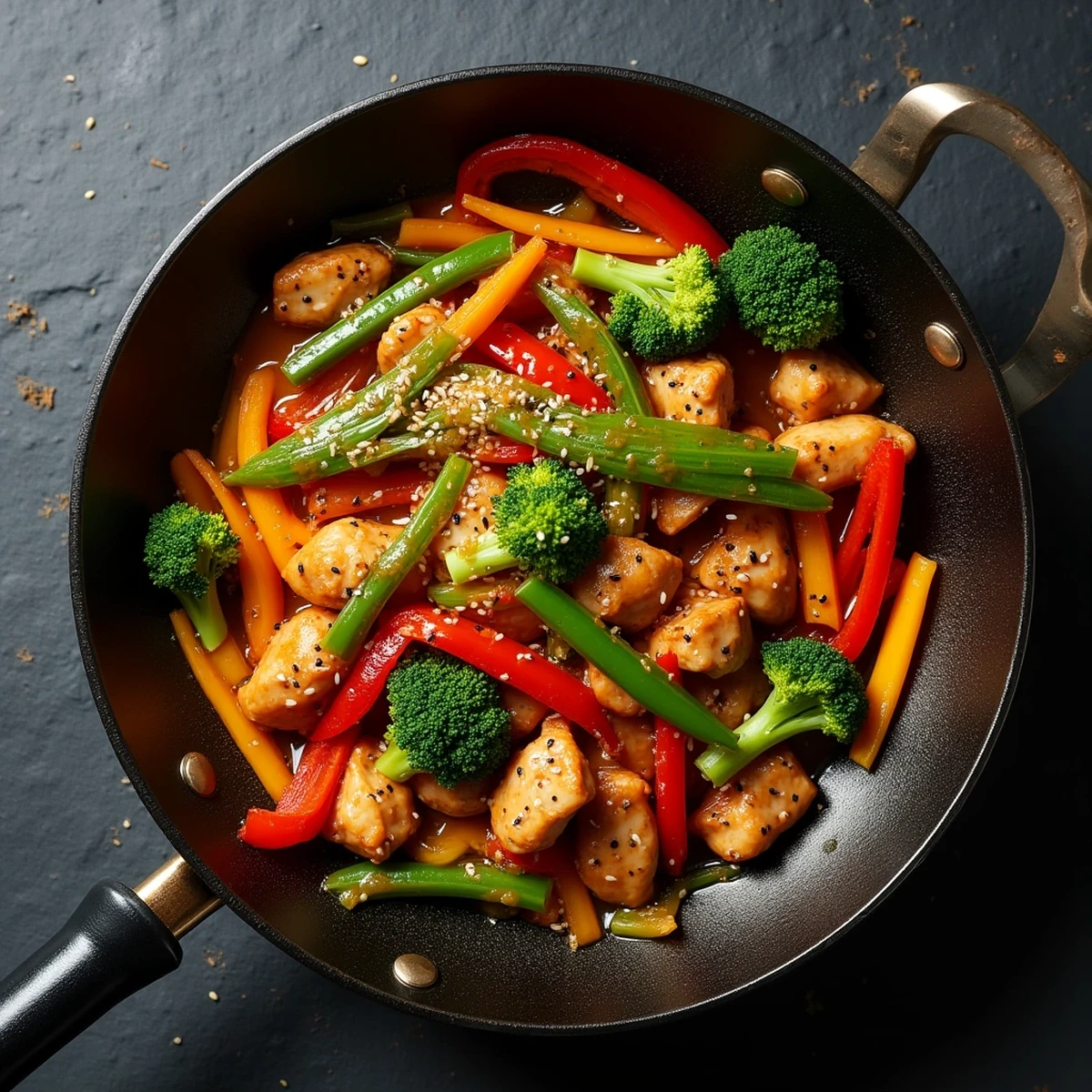
There is a technique that every wok station chef in every serious Asian kitchen knows — and almost no home cook uses. It is called velveting, and it is the reason restaurant chicken stir fry is impossibly tender while the version most people make at home is dry and slightly disappointing. I am going to teach you this technique today, and it will change the way you make this dish permanently.
I should say upfront: stir fry is not part of my Moroccan heritage, and I am not going to pretend otherwise. What drew me to it was the same thing that draws me to French technique — the precision, the heat management, the way a few deliberate moves produce something dramatically better than careless cooking. I first encountered a proper velveting technique during a stage in Paris, where the chef next door was running a pan-Asian kitchen and treated his wok with the same reverence Chef Alain showed his copper sauté pan. I watched, I asked questions, and I came home and practised until I understood the why behind every step.
This is an achievable weeknight dinner — genuinely, the kind you can have on the table in under thirty minutes once you have done it once. But the technique you will learn here elevates it far beyond what most people think of when they hear ‘chicken stir fry.’ The chicken will be silky and tender. The sauce will coat every piece and cling to it the way a proper restaurant sauce should. The vegetables will have colour and bite. This is restaurant quality, your kitchen, your rules.
Sophie, who is not easy to impress on a Tuesday night, calls this her favourite weeknight dinner. That is, I think, the most useful recommendation I can offer.
Ingredients
- 700g boneless, skinless chicken breast, sliced 5mm thin against the grain
- 1 tablespoon cornstarch (for velveting)
- 1 tablespoon soy sauce (for velveting)
- 1 tablespoon Shaoxing rice wine or dry sherry (for velveting)
- 1 egg white (for velveting)
- 2 tablespoons neutral oil (such as grapeseed or avocado), divided
- 1 tablespoon sesame oil
- 1 red bell pepper, sliced into thin strips
- 1 yellow bell pepper, sliced into thin strips
- 200g broccoli florets, cut small
- 150g snow peas, strings removed
- 4 cloves garlic, finely minced
- 20g fresh ginger, peeled and finely grated
- 3 tablespoons soy sauce (for sauce)
- 1 tablespoon oyster sauce
- 1 tablespoon hoisin sauce
- 1 teaspoon rice vinegar
- 1 teaspoon cornstarch dissolved in 2 tablespoons cold water (slurry)
- 1 teaspoon chili flakes or 1 tablespoon sambal oelek (optional)
- 3 spring onions, sliced on the diagonal for garnish
- 1 tablespoon toasted sesame seeds for garnish
Instructions
-
- Velvet the chicken. In a bowl, combine the sliced chicken with the cornstarch, soy sauce, Shaoxing wine, and egg white. Mix well — every piece should be coated. Let it sit for 15 minutes at room temperature. This is the technique. The alkaline egg white and the cornstarch create a protective layer around the chicken that keeps moisture inside during the high heat of the wok. This is what restaurants do. This is why their chicken is not dry.
-
- While the chicken velvets, prepare your sauce. Combine the soy sauce, oyster sauce, hoisin sauce, and rice vinegar in a small bowl. Stir well and set beside the stove. Have your cornstarch slurry ready in a separate small bowl. When you are cooking at high heat, you will not have time to measure — everything must be within arm’s reach before you begin.
-
- Prepare all vegetables before touching the heat. Slice the peppers, cut the broccoli, remove the strings from the snow peas, mince the garlic, grate the ginger. Stir fry cooks in minutes — there is no time to cut while cooking. Professional kitchens call this mise en place. In this recipe, it is non-negotiable.
-
- Heat a large carbon steel pan, wok, or the heaviest pan you own over the highest heat your stove will produce for 2 full minutes. The pan should be very hot before any oil goes in. Add 1 tablespoon of neutral oil and let it shimmer — almost at smoke point. This heat is what creates the slight char and deep flavour characteristic of proper stir fry.
-
- Add the velveted chicken in a single layer, shaking off excess marinade. Do not crowd the pan — cook in two batches if necessary. Sear for 60 to 90 seconds without touching. You will hear a strong sizzle. Then toss or stir and cook another 60 seconds. The chicken should be just cooked through and lightly golden. Remove it from the pan and set aside on a plate.
-
- Add the remaining tablespoon of neutral oil to the same pan. Add the broccoli first — it needs the most time — and stir fry for 90 seconds, tossing constantly. Add the bell peppers and snow peas and cook for another 60 seconds. The vegetables should be vibrant in colour and just tender with a remaining bite. If they turn grey or completely soft, the heat was insufficient.
-
- Push the vegetables to the edges of the pan. In the centre, add the sesame oil, then the minced garlic and grated ginger. Let them sizzle in the oil for 20 to 30 seconds — you will smell them bloom immediately. This brief blooming in the centre of the pan before combining extracts maximum flavour without burning. Then toss everything together.
-
- Return the cooked chicken to the pan. Pour the sauce over everything and toss to coat. Let it bubble for 30 seconds. Then add the cornstarch slurry — pour it in slowly while tossing continuously. Watch the sauce thicken and cling. This is the moment the dish transforms from something home-cooked to something restaurant-quality. The sauce should coat every piece and hold its gloss.
-
- Taste and adjust. Add chili flakes or sambal oelek if you want heat. A few drops more rice vinegar if you want brightness. Remove from heat immediately — the residual heat will continue cooking the vegetables.
-
- Plate and finish. Transfer to a serving dish or plate directly. Garnish with sliced spring onions and toasted sesame seeds. Serve immediately over steamed jasmine rice or noodles. The dish waits for no one — stir fry is at its best in the first five minutes.
Nutrition
Tips
1. Velvet the chicken — do not skip this step. Every home cook who skips velveting is the reason restaurant chicken stir fry tastes better than theirs. The fifteen-minute marinade of egg white, cornstarch, and soy sauce creates a protective coating that keeps the chicken impossibly tender under high heat. It is the single technique that separates a remarkable stir fry from a dry, chewy one. Set a timer and wait.
2. Your pan must be genuinely hot — not warm, not medium-high. The charred, smoky quality in restaurant stir fry — what Cantonese cooks call wok hei, or ‘breath of the wok’ — comes from extremely high heat. Most home stoves cannot fully replicate a professional wok burner, but you can get close. Heat your heaviest pan on maximum heat for two full minutes before anything goes in. If your smoke alarm is not mildly concerned, your pan is probably not hot enough.
3. Cook the chicken in batches if necessary. Overcrowding the pan is the most common home cook error in stir fry. Too much chicken in the pan at once drops the temperature dramatically, and instead of searing, the chicken steams. Steamed chicken in a stir fry is exactly as disappointing as it sounds. If your pan is not large enough to hold the chicken in a single uncrowded layer, cook it in two batches. The extra three minutes is worth it.