15 Minute Garlic Shrimp Pasta That Tastes Like a Restaurant Made It
This is a restaurant dish.
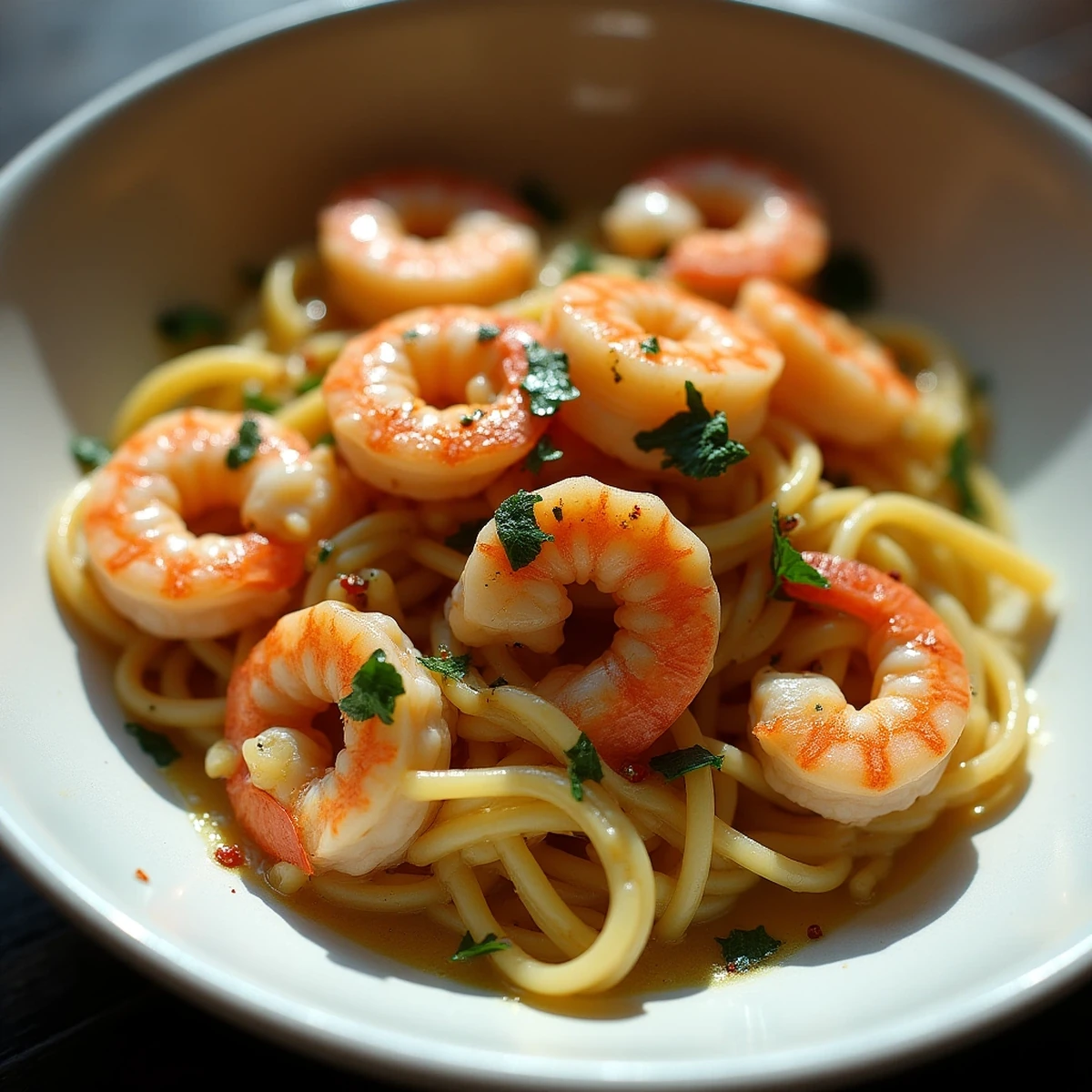
This is a restaurant dish. And you’re making it at home tonight — in fifteen minutes, with one pan, and ingredients you likely already have.
Garlic shrimp pasta is one of those deceptively simple dishes that separates a good cook from a remarkable one. The technique is not complicated. But most home versions miss the thing that makes restaurant versions sing: building a proper pan sauce from the shrimp’s fond, emulsified with butter and pasta water until it coats every strand of linguine in something glossy, rich, and deeply aromatic. That’s the technique you’re learning today. It takes about ninety seconds to execute and it changes everything.
I made a version of this on a Thursday night three years ago when Sophie came home late from a long shift at the wine bar. There was nothing particularly planned about it — shrimp from the freezer, linguine in the pantry, half a head of garlic that needed using. But I built the sauce properly, finished it with a knob of good butter and a handful of flat-leaf parsley, and she sat down at the kitchen island and said, ‘This tastes like somewhere in the 7th arrondissement.’ I’ve been making it on weeknights ever since. It costs about $14 for two. The equivalent at a good restaurant runs $36, minimum.
Date night. The night after a long week. Tuesday night when you decide you deserve something extraordinary. This is that recipe.
Ingredients
- 250g linguine (or spaghetti)
- 300g large raw shrimp, peeled and deveined, tails on
- 6 cloves garlic, thinly sliced (not minced — sliced)
- 3 tablespoons good olive oil
- 40g French-style butter (82%+ fat), cold, cut into cubes
- 1 teaspoon dried chili flakes (or to taste)
- 125ml dry white wine (something you’d drink — Sophie recommends a Muscadet)
- 80ml reserved pasta water
- 1 preserved lemon, rind only, finely diced (or 1 teaspoon fresh lemon zest plus a squeeze of juice)
- Large handful of flat-leaf parsley, roughly chopped
- Flaky sea salt and freshly cracked black pepper
- Extra olive oil, for finishing
Instructions
-
- Bring a large pot of heavily salted water to a boil — it should taste like the sea. Drop in the linguine and cook until just shy of al dente, about 2 minutes less than the package instructions. Before you drain, scoop out at least 250ml of pasta water and set it aside. This starchy water is your emulsifier. Do not skip this.
-
- While the pasta cooks, pat the shrimp completely dry with paper towel on both sides. Season generously with flaky salt and cracked black pepper. Dry shrimp sear; wet shrimp steam. This distinction matters more than you think.
-
- Heat a large carbon steel or stainless steel pan over high heat until it is genuinely, aggressively hot — 2 full minutes. Add the olive oil. It should shimmer immediately. Add the shrimp in a single layer. Do not crowd the pan; if necessary, cook in two batches. Sear for exactly 90 seconds per side until the edges turn coral and the surface is lightly golden. Remove the shrimp and set aside. They will finish cooking in the sauce.
-
- Reduce the heat to medium. The pan should have a layer of golden-pink fond — that’s concentrated shrimp flavor, and it’s the foundation of your sauce. Add the sliced garlic and chili flakes to the residual oil. Cook for 60 seconds, stirring, until the garlic is just golden at the edges. Watch closely. Golden garlic is fragrant. Brown garlic is bitter.
-
- Now — and this is the technique that changes everything — deglaze with the white wine. Pour it into the hot pan and let it hiss dramatically. Use a wooden spoon to scrape up every bit of fond from the bottom. You will see the sauce darken and become fragrant immediately. Let it reduce by half, about 90 seconds.
-
- Add 80ml of the reserved pasta water. Bring to a simmer. Now add the cold butter, one cube at a time, swirling the pan constantly. Do not stir with a spoon — swirl the pan. The butter emulsifies into the sauce, thickening it to something glossy and cohesive. This is the moment. If the sauce looks broken or greasy, add a splash more pasta water and keep swirling.
-
- Add the drained linguine directly to the pan. Toss to coat, adding more pasta water tablespoon by tablespoon if needed until the sauce clings to every strand. Return the shrimp to the pan. Add the preserved lemon rind and most of the parsley. Toss once more over low heat for 30 seconds.
-
- Plate immediately into warmed bowls. Twirl the pasta high — use tongs and a ladle for the restaurant presentation. Arrange a few shrimp over the top. Finish with the remaining parsley, a crack of black pepper, and a thin drizzle of your best olive oil. Serve at once.
Nutrition
Tips
1. Slice the garlic, don’t mince it. Minced garlic burns faster and disappears into the sauce. Sliced garlic turns golden at the edges, stays slightly textural, and releases its flavor more slowly and evenly. Every Italian grandmother and every French sauce chef will tell you the same thing. The cut matters.
2. Cold butter, added in pieces, is the technique. Adding cold butter off a high heat — one cube at a time, with the pan swirling — is called monter au beurre (to mount with butter). It creates an emulsion: the sauce thickens, turns glossy, and clings to the pasta instead of pooling at the bottom of the bowl. Warm butter dumped in all at once will split the sauce. Patience, cubes, and swirling. That’s the whole secret.
3. The preserved lemon is worth finding. Fresh lemon adds brightness. Preserved lemon adds something deeper — a salty, floral, almost briny complexity that makes this feel North African and French at the same time, which is precisely the intersection I live in. Look for it at Middle Eastern or specialty grocery stores. If you truly cannot find it, use lemon zest and a small squeeze of juice — but make a note to track it down for next time. It earns its place on the shelf.